Booking choice: The Vertigo Biking tour, from $125 per person. Check dates Compare the options below
A Death Road tour supplies most of the protective gear, and what you wear under it decides whether the day is comfortable. Temperature changes by 15 degrees or more on the way down.
Packing advice comes from the Bolivia Hop Death Road guide for 2026 and the Bolivian Life guide to Death Road biking in 2026, gear inclusions from the live Viator listings, and the age limits from operators. Costs are on the prices page.
The quick answer
Wear shorts or light trousers, a thin base layer you can stow in the van, closed shoes with long socks and sunglasses. Bring 50 Bolivianos total (two payments of 25 Bs) in Bolivian cash, sunscreen and a change of clothes for the shower. The Vertigo tour at $125 lists a full suspension bike and safety equipment.
What should you wear for Death Road?
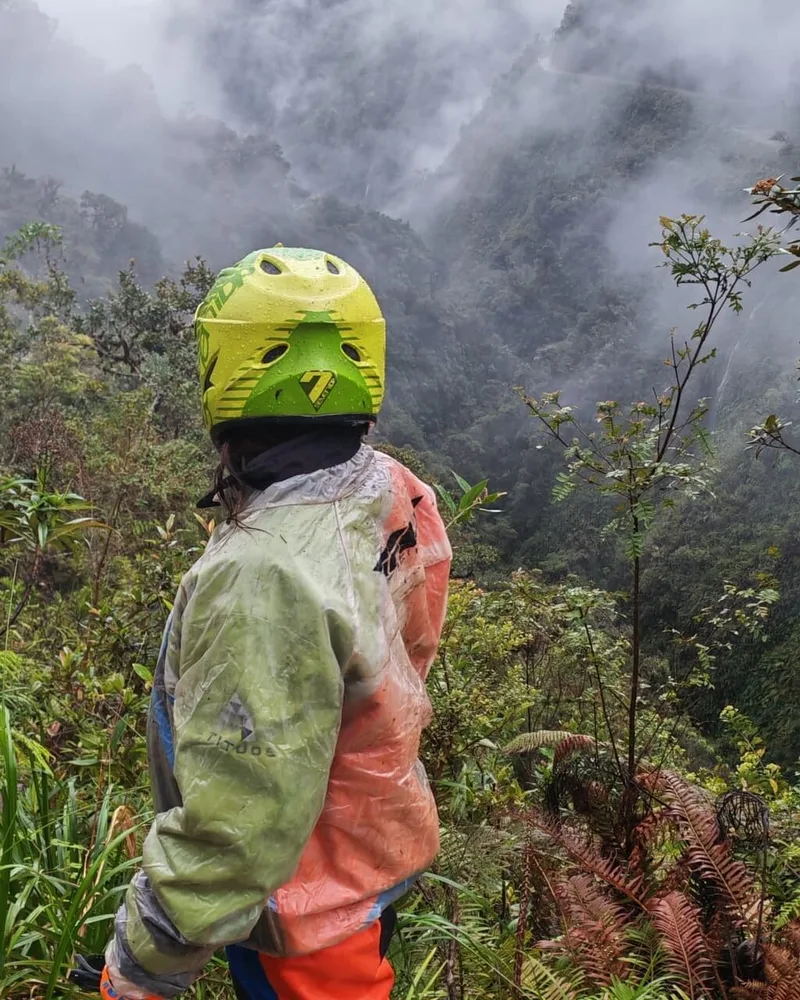
Shorts or light trousers, a light long-sleeve layer, closed-toe shoes with long socks, and sunglasses.
The Bolivia Hop Death Road guide for 2026 recommends exactly that: shorts and a light long-sleeve layer that can be stored in the support vehicle, closed shoes with long socks, and clear or tinted glasses. The operator gear goes over the top, so avoid bulky cotton hoodies that overheat. Wear what you are happy to get muddy.
What gear is included on the tour?
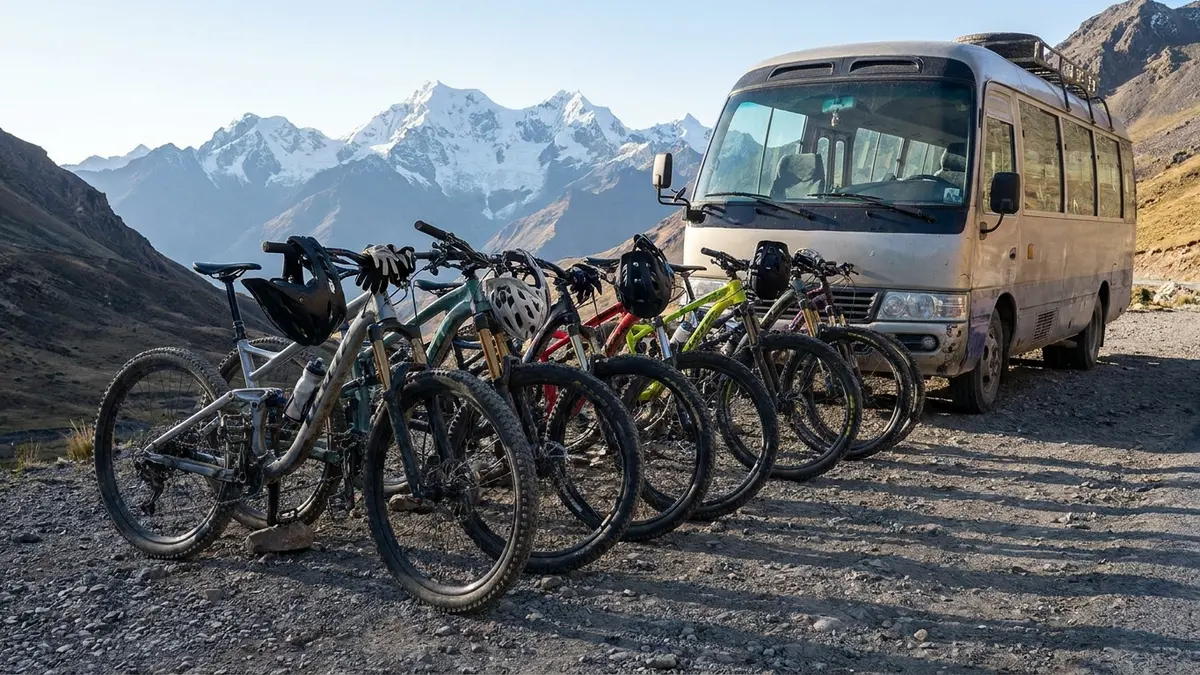
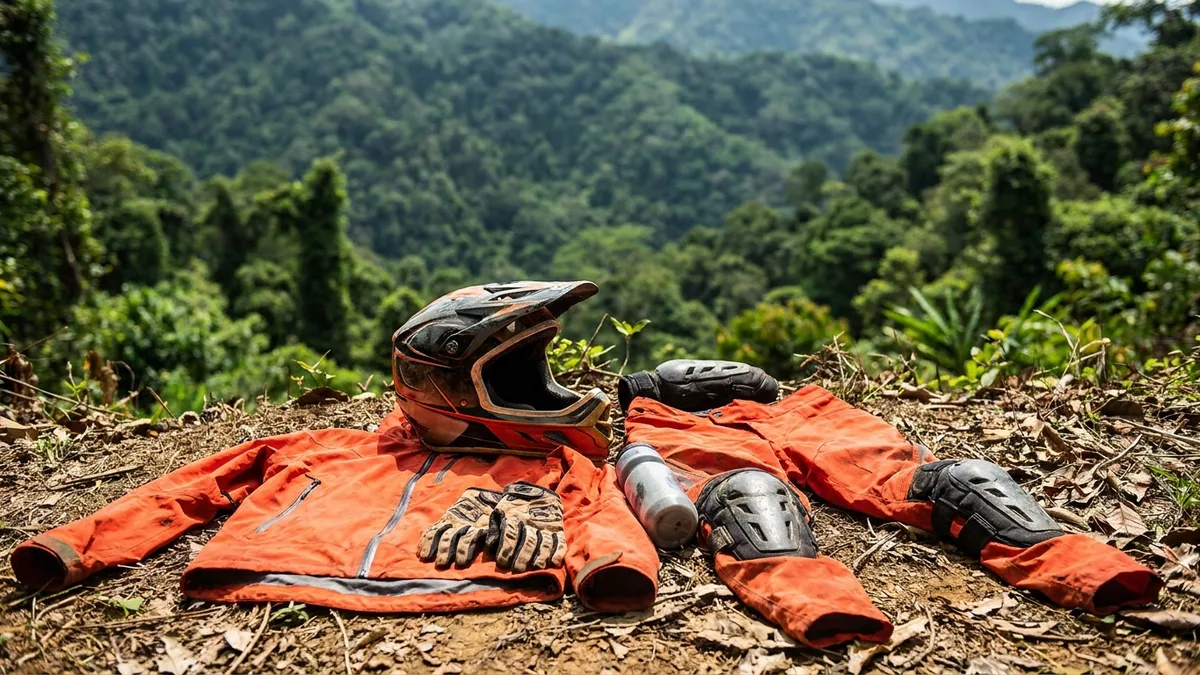
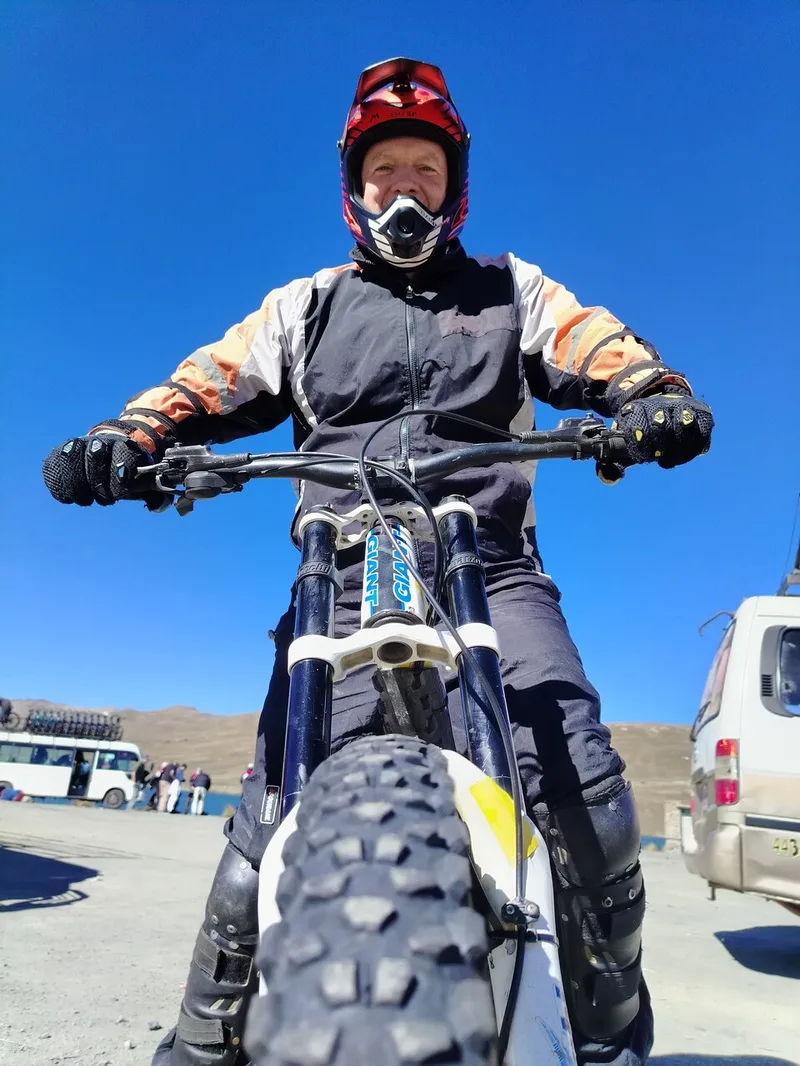
Helmet, gloves, knee and elbow pads and a jacket and trousers on every listing, and the bike.
Barracuda lists helmets, knee and elbow pads, jackets, trousers and gloves. Gravity lists high-end safety gear, and One Death Road lists a full suit. Goggles are listed as extra on One Death Road, so ask. Guests describe jackets and trousers in good condition on the better operators and worn kit on a cheaper one.
How cold does it get, and how do you layer?
Near freezing at the start at about 4,650 m, then warm and humid near 1,200 m at the bottom.
Start in a thermal layer under the jacket, and strip it off at the first stop where the gravel begins. The Bolivia Hop Death Road guide for 2026 says riders sweat by the bottom. In the rainy season a light waterproof is useful, and the Bolivian Life guide to Death Road biking in 2026 says operators supply waterproofs. Gloves are the item to bring if you feel the cold. The first section is on asphalt at speed with wind.
How much cash should you bring to Death Road?
At least 50 Bolivianos total (two payments of 25 Bs) for the road fee, plus Bs 50 to 100 for extras and tips.
Card machines are patchy in Coroico, and ATMs in the Yungas can be unreliable, according to the Bolivian Life guide to Death Road biking in 2026, so carry more Bolivianos than you think you need. Tips for the guide and driver are expected. Listed extras include a T-shirt at $10 to $15 and drinks at lunch. Check your listing under exclusions.
What else should you pack?
Sunscreen, lip balm, a change of clothes, a towel if the finish has a pool, and any medication.
Barracuda lists a private pool and Vertigo lists a hotel buffet with a swim and shower. Red Line lists a pool and showers. Bring swim gear and a dry layer for those. The sun at altitude is fierce, and a small daypack holds water. Contact lenses are fine with sunglasses, but the dust is real.
Full suspension bikes, photos and videos, and a hotel buffet with a pool.
Check dates for the Vertigo Biking tourWhat is the age limit for Death Road?
It depends on the operator. Minimums run from 14 with a guardian to 18, so check your listing.
Bolivian Express gives 14 with a guardian or 18 to ride solo, and Barracuda requires 18, according to what operators publish. Other operators set their own limit anywhere from 14 to 18. A child must be able to brake and balance on gravel and keep to a guide's instructions, so a first mountain bike ride at 14 is a poor idea. Contact the operator if your child is at the lower limit.
How fit do you need to be?
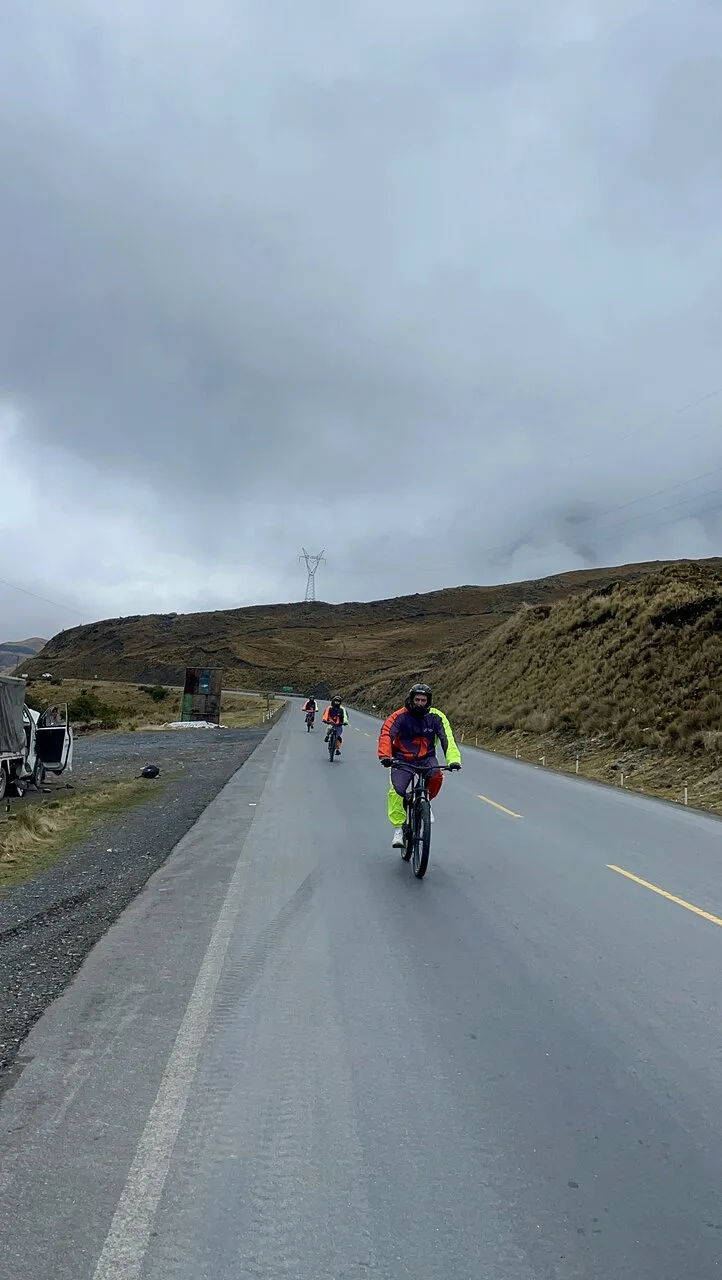
Moderate fitness. The ride is mostly downhill, so the effort is in your hands, arms and focus.
Travelers write that you do not need to be an advanced cyclist, that most of the route is downhill, and that stops are regular. The Bolivian Life guide to Death Road biking in 2026 says fitness is not the limiting factor. Your forearms tire from braking, so gloves with padding help. Back, neck or wrist problems are a reason to skip it.
Can you wear glasses or bring your own bike and camera?
Yes to glasses and a small camera, and no to your own bike on most tours.
A GoPro helmet mount rents for $10 to $20 according to the Bolivia Hop Death Road guide for 2026, though Vertigo and Evolution list photos or GoPro videos of the day. Guides also take photos at stops. Phones go in a zipped pocket. Operators generally do not allow personal bikes.
Full suspension bikes, photos and videos, and a hotel buffet with a pool.
Explore the Vertigo Biking tourFrequently asked questions
What do you wear for the Death Road bike tour?
Shorts or light trousers, a light long-sleeve layer you can stow, closed shoes with long socks and sunglasses. The operator supplies the helmet, gloves, pads and jacket.
How much cash do I need for Death Road?
At least 50 Bolivianos total (two payments of 25 Bs) for the road fee, plus Bs 50 to 100 for drinks and the shower and tips for the guide and driver.
What is the minimum age for Death Road?
Operators range from 14 with a guardian up to 18. Check your listing before you book.
Is the Death Road ride hard on fitness?
No. It is mostly downhill, so you need moderate fitness and strong hands for braking, not an athlete's lungs.
Ready to book
Choose your Death Road tour
Every option here can be cancelled for a full refund; the deadline is on each listing. Prices are from-prices in USD and move with the season.
Full-Day Death Road Bike Tour with Vertigo
Full-suspension bikes, photos and videos, then a hotel buffet with pool and shower
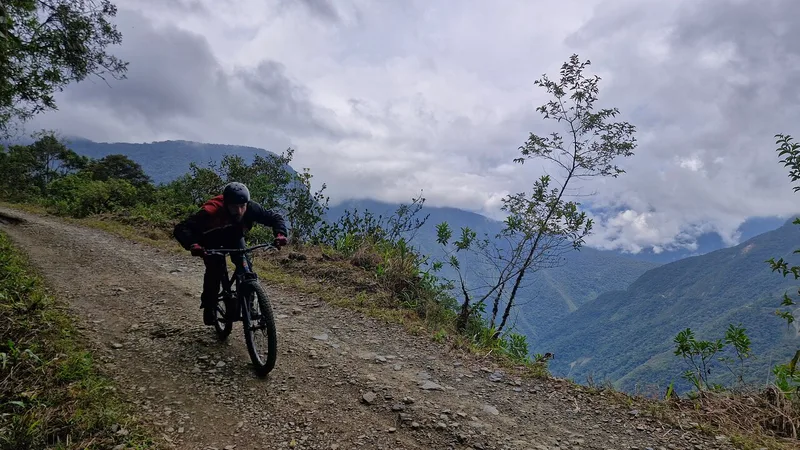
Death Road Mountain Bike Tour with Gravity
- About 13.5 hours with a professional guide
- Top-end bike, maintained after every ride by mechanics
- Helmet, gloves, knee and elbow pads, pants and jacket
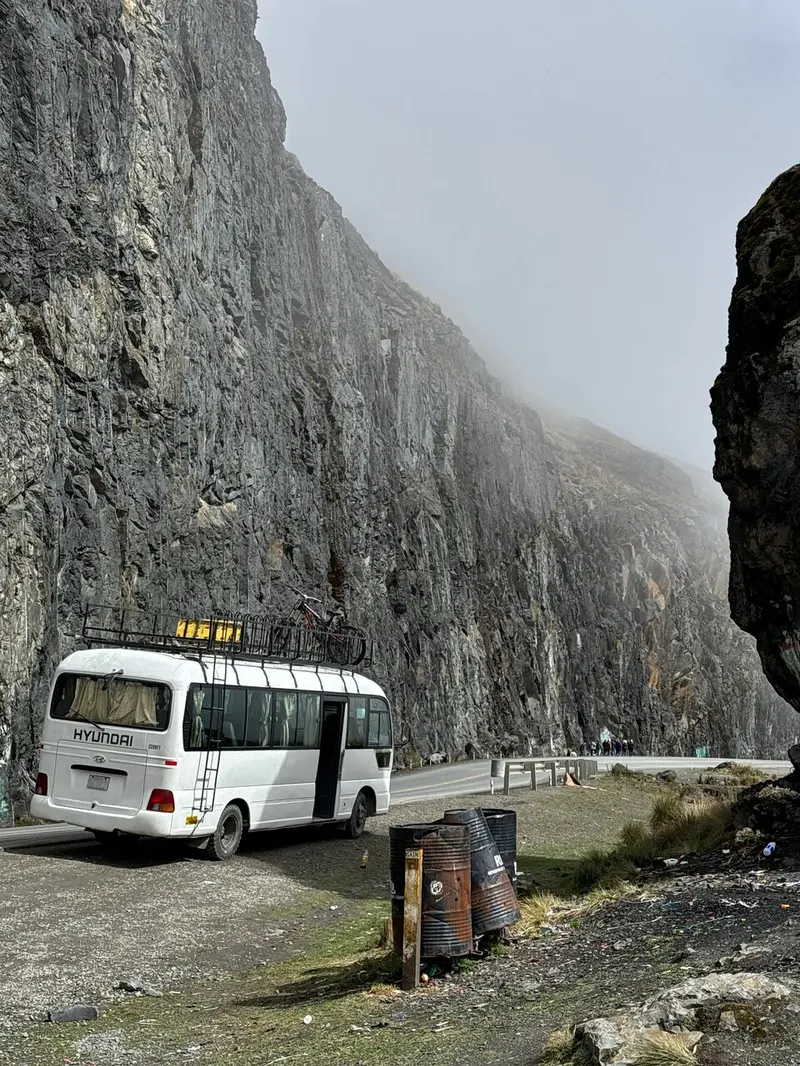
Death Road Riding with Barracuda Biking
- Full day from La Paz in a group of up to 14
- Helmet, knee and elbow pads, jacket, pants and gloves
- Breakfast, buffet lunch and bottled water